EssayDemo
Where the map ends
An imaginary investigation into how small scenes build identity far from the most obvious musical centres.
By Redação diminutus° (DEMO)
Every musical map has edges. For a long time, they were drawn by whoever owned the studios, radio stations and magazines: London, New York, Los Angeles, sometimes Berlin. Whatever fell outside was “regional”, “local”, “world music” — categories that said more about whoever was classifying than about the music.
In 2026, those edges still exist, but they no longer match the borders of talent.
Three cities, no arrangement
In Lagos, Kọ́lá Drift records post-punk in a garage in Yaba. In Lisboa, Litoral Fantasma sings about a coast that has disappeared. In Santiago, Ruina Solar turns cumbia into feedback. None of them knows the others. But all three do the same thing: they use an international language to talk about a very specific place.
“We don't want to sound like London. We want to sound like our street, only loud.”
That line, from an imaginary musician in Lagos, sums up a shift: the goal is no longer to reach the centre, but to make the centre irrelevant.
What a scene needs
Up close, the scenes we follow have at least three things in common:
- a physical place to play, even a small one;
- someone who records and releases without asking permission;
- an audience made up, in large part, of other musicians.
None of this is new. What has changed is that these scenes can now be heard on the other side of the world on the same day they happen — if someone is paying attention.
Why it matters
diminutus° exists to pay that attention. Not to “discover” artists — they already exist, already have audiences, already know what they are doing — but to tell what is happening before it becomes consensus. The Global Post-Punk 2026 playlist is a start.
Where the map ends, the music goes on.
Tags:#scenes#geography#post-punk
Scenes
Artists
Playlists
Playlist · Thematic2026
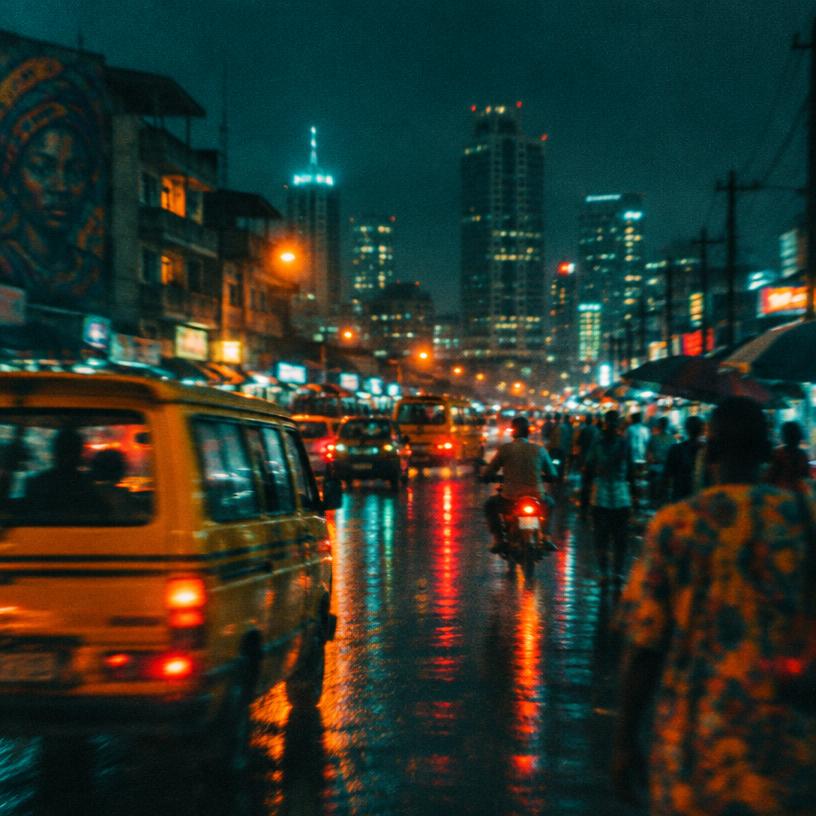
Global Post-Punk 2026
Lagos, Lisboa, Recife, Buenos Aires: post-punk has become a lingua franca — and every city speaks it with an accent.
Post-punk was born in industrial cities in crisis. Forty-odd years later, it reappears in cities living through other crises — and speaks about them.
5 tracksOpen playlist →
Playlist · Thematic2026
New Latin American Psychedelia
Cumbia, krautrock, charango and feedback: Latin American psychedelia in 2026 asks nobody's permission.
For decades, “Latin American psychedelia” meant reissues of 1970s records. This playlist is about the opposite: bands inventing their own right now.
7 tracksOpen playlist →